Diving the Chester Poling & working in the Beverly Harbor Master Department!
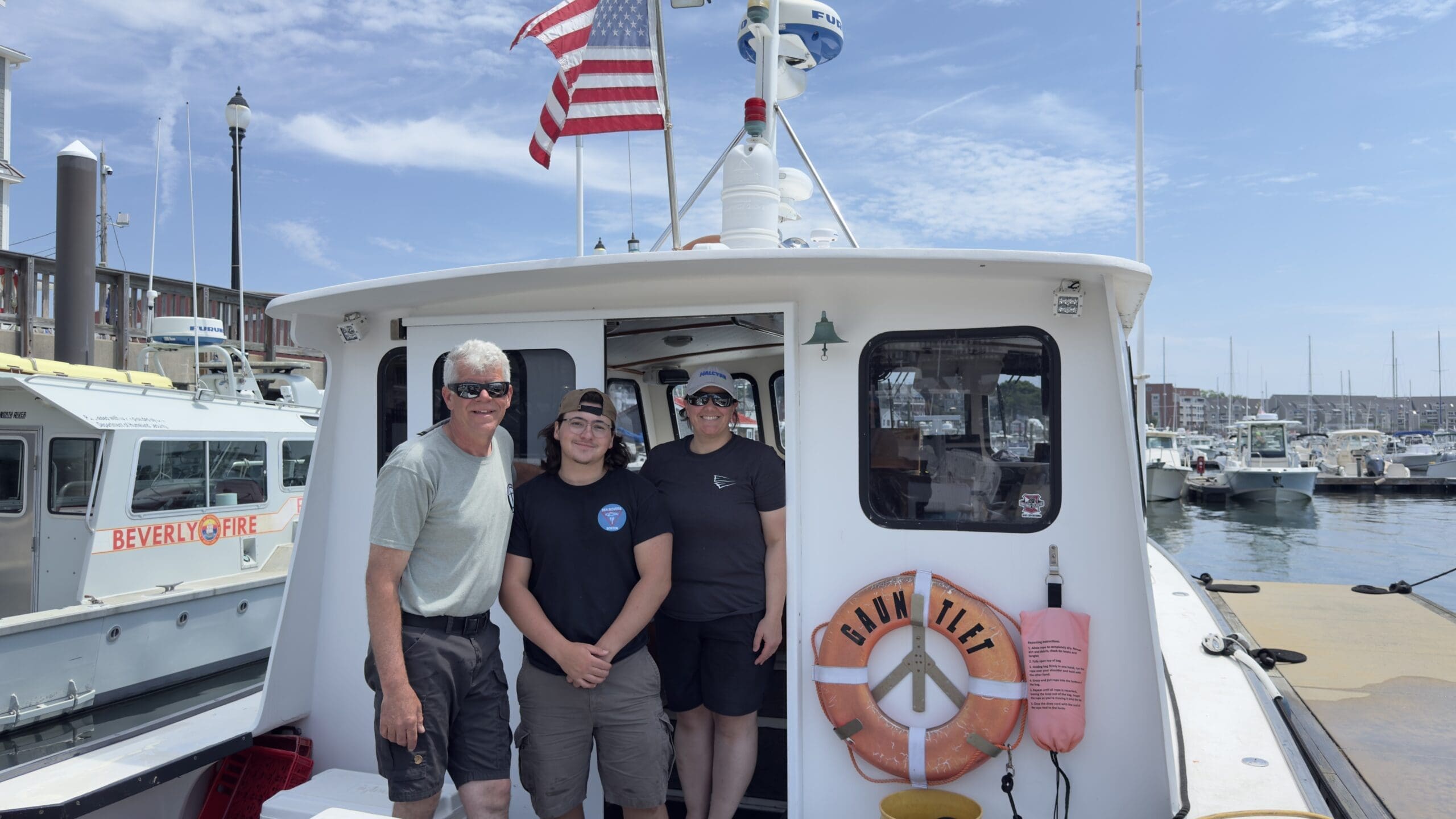
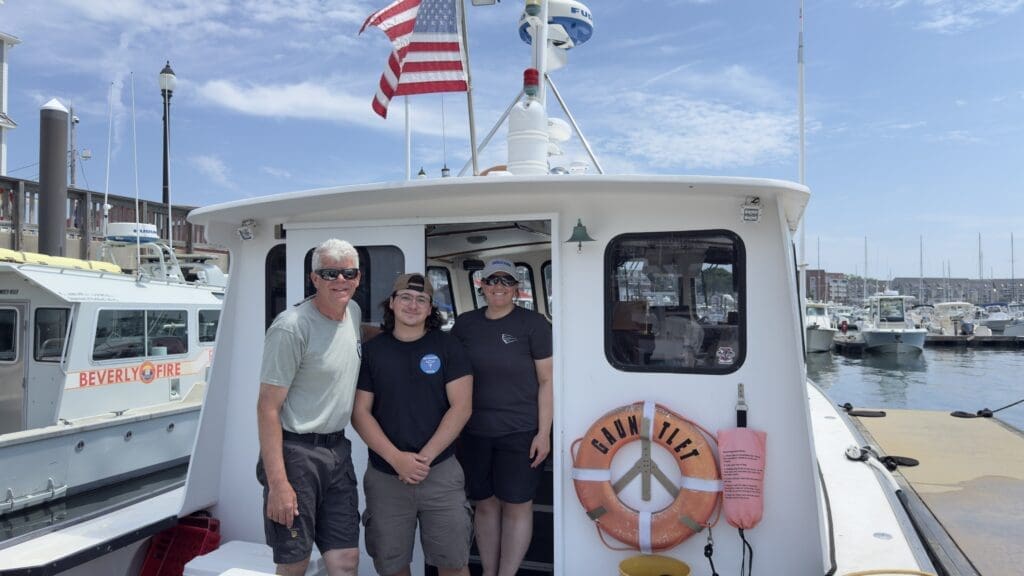
I’m back from Baltimore and have finally returned to my hometown of Manchester. Luckily for me, there is still more to learn and more adventures to be had. Dave Caldwell and Heather Knowles operate their dive charter, Northern Atlantic Dive Expeditions, out of Beverly Harbor, a town just twenty minutes from where I live. Their custom-built Northern Bay 36, The Gauntlet, transports divers to more than thirty-four wrecks scattered throughout the waters off the Massachusetts coast. Dave and Heather were kind enough to invite me aboard for a trip to one of New England’s most iconic dive sites, the Chester Poling.
The Chester Poling is one of the best-known shipwrecks in Massachusetts. Once a 280-foot coastal oil tanker that transported heating oil throughout the region, it now rests just outside the breakwater at Gloucester Harbor. The wreck lies with its stern sitting in 90 feet of water while the bow reaches a depth of 180 feet, making it a popular destination for experienced wreck divers.
The ride from Beverly Harbor to the wreck takes about thirty minutes, giving everyone aboard time to prepare for the dive. After the boat briefing, I sat down with Heather to work through dive planning and calculate my Surface Air Consumption (SAC) rate. She explained how understanding my SAC rate allows me to accurately estimate air usage under different conditions and build a dive plan that stays well within safe limits. We discussed how factors such as depth, workload, and bottom time influence gas consumption, and how careful planning before entering the water is one of the most important steps in ensuring a safe and successful dive.
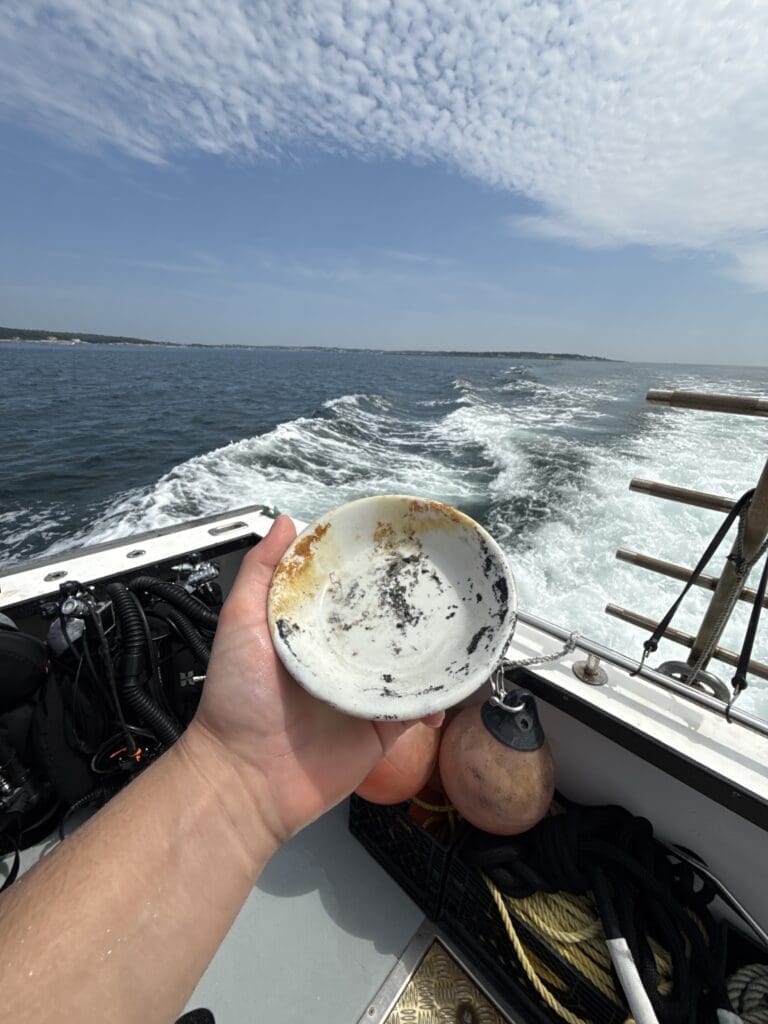
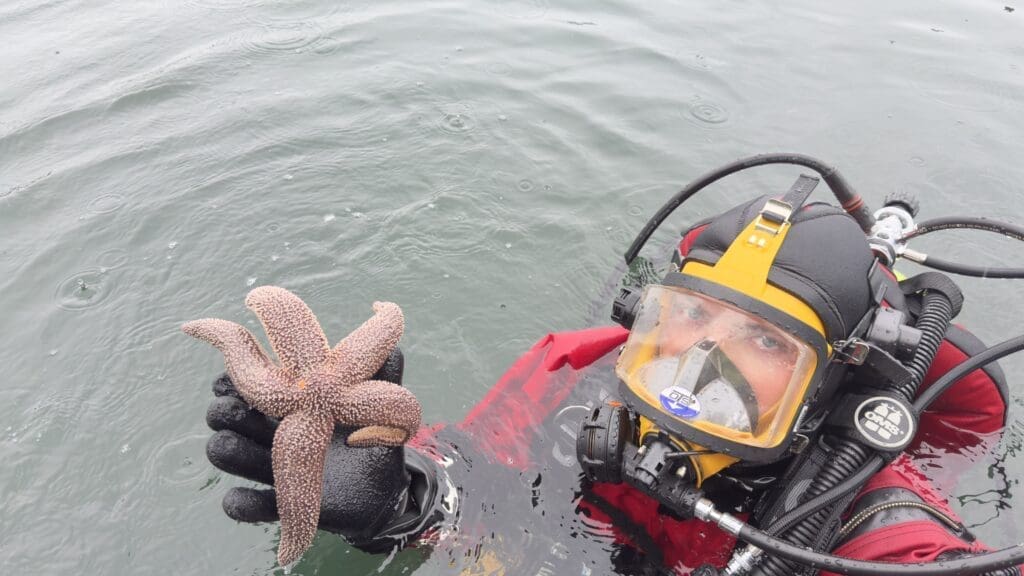
Dave Caldwell guided me through the stern section of the Chester Poling, leading us on an incredible wreck penetration. We entered through the port-side aft entrance into the crew’s living quarters before crossing through the engine room and into the starboard-side quarters. While exploring, we came across a small ceramic plate resting among the debris. After the dive, Dave mentioned that he believed it may have originally come from the historic Copley Hotel, making it a particularly interesting find.
After leaving the crew quarters, we exited the same way we had entered and continued toward the cargo hold. As an older wreck, the Chester Poling is constantly changing due to corrosion and storms. During our post-dive debrief, Dave pointed out that two walls he remembered from previous dives had collapsed since his last visit. A reminder of how dynamic wreck environments can be.
Before ascending, we looked beneath the stern break where we spotted a wolf eel tucked under the hull. Man, those things have a face that only a mother could love on payday! I’m glad we weren’t inside the wreck when we encountered it!
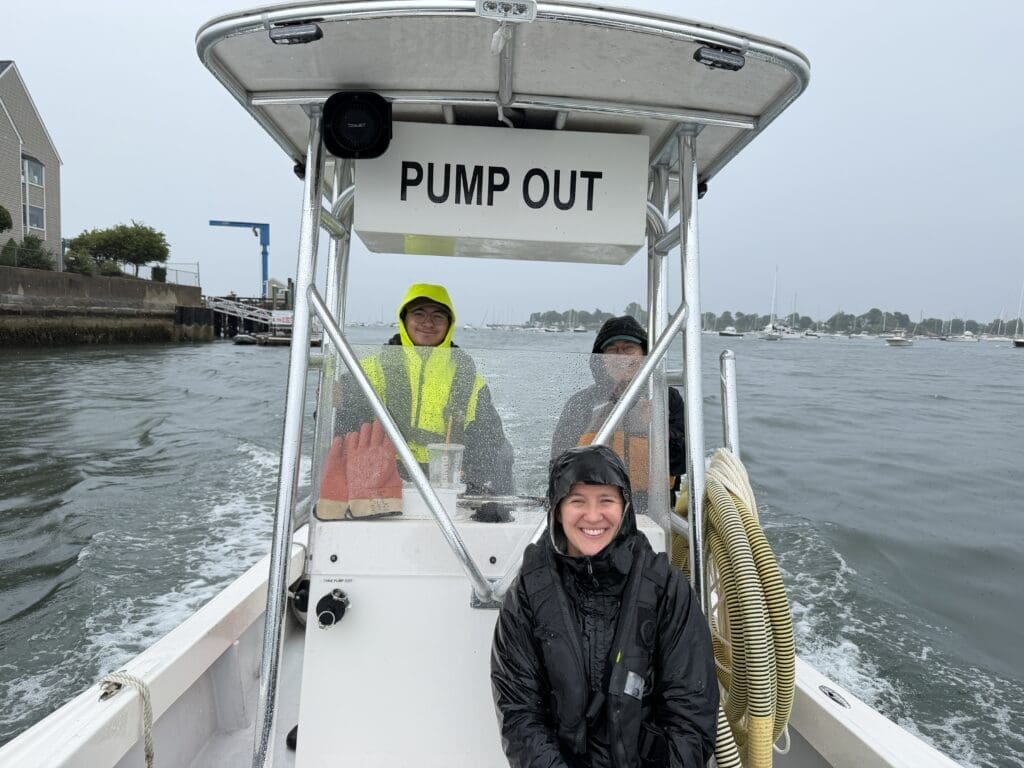
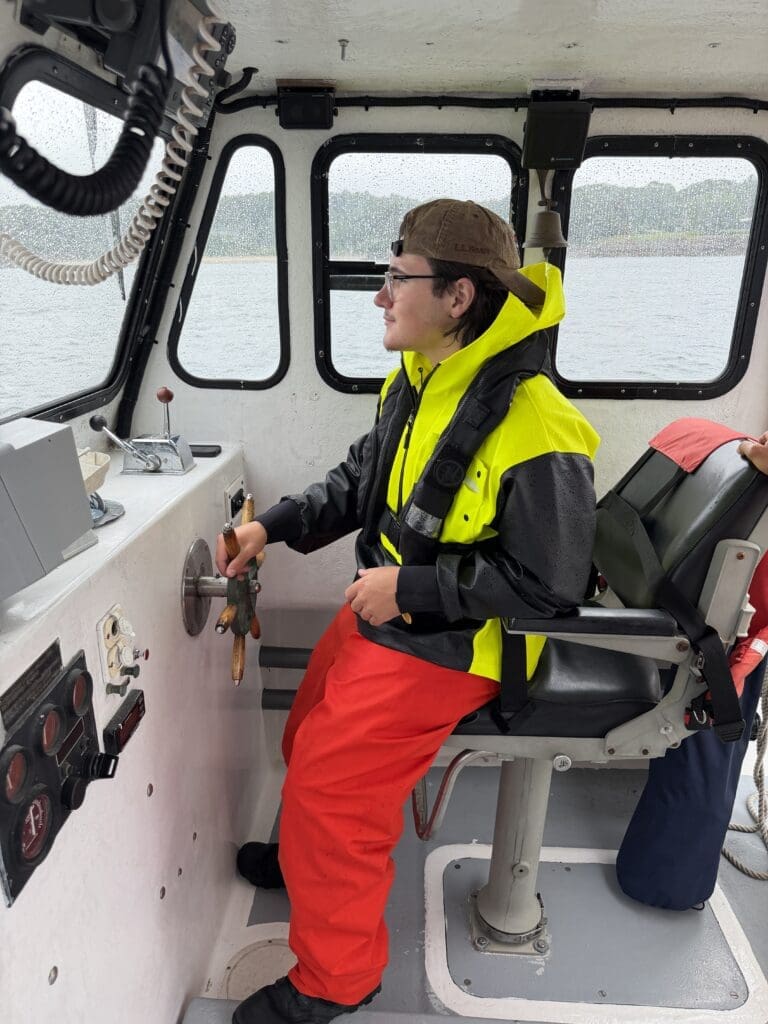
The next day, I returned to the Beverly Harbormaster’s Office to meet up with Dave Caldwell. We started by taking a tour of the Harbormaster Department. Dave showed me the different systems the harbormaster uses to log reports, monitor the surroundings, and monitor the radio in case someone needs to contact them. We then moved to the dock, where we boarded one of their boats to begin patrol of the inner harbor.
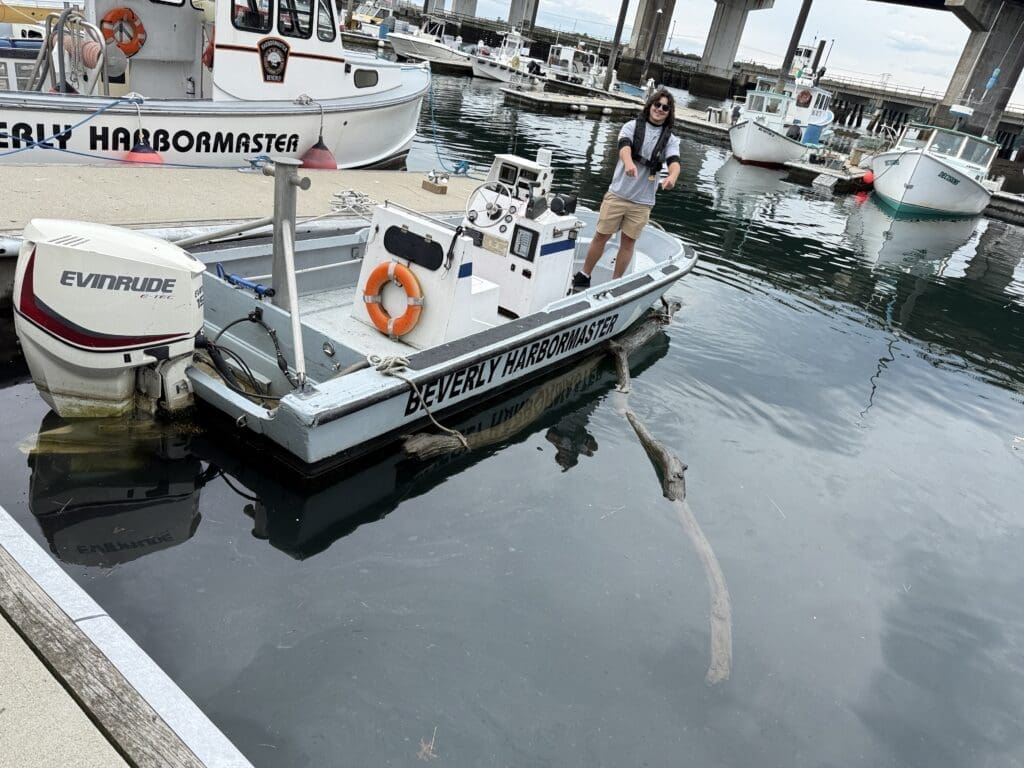
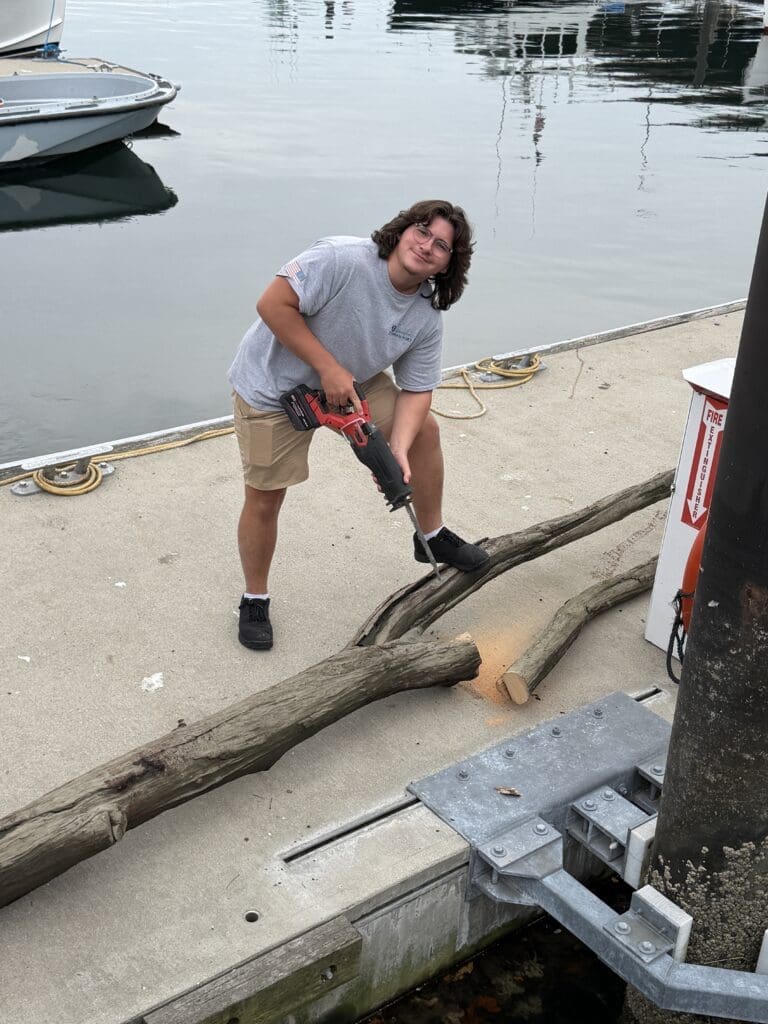
Dave had mentioned that he had seen a Facebook post about a log stuck in one of the bridge bunkers (the wooden base of the railroad bridge) in the harbor. Soon enough, we were able to locate it, throw a rope around it, and tow it back to the Harbormaster’s Office. After returning to the office, we brought it up from the water and cut it with a Sawzall.
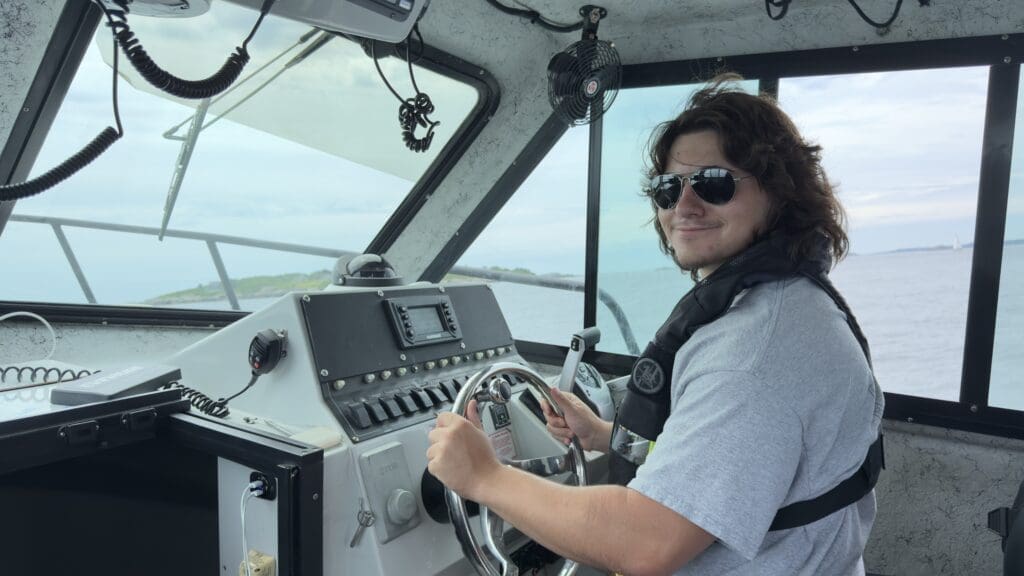
We then took out the fast boat, and let me tell you, that thing is fun. We sped around the outer harbor, and I took the helm and drove us past Misery Island and back to Beverly Harbor.
Dave Caldwell was a fantastic person to learn from. He was incredibly knowledgeable about seemingly all things on or under the sea. He told me that the harbormaster’s role is 90% community outreach and educating people, and really only 10% law enforcement. The Beverly Harbormaster Department does a lot of community outreach. Typically, they partner with the Beverly Fire Department during “Touch-a-Truck” events. Touch-a-Truck events are a great way for kids to see who helps keep their community safe. The BHMD will typically bring in their rigid-hull inflatable fast boat, and Dave confided in me that kids usually find it a whole lot cooler than the fire trucks (LOL).
My second day with the Beverly Harbormaster Department started by meeting up with citizen scientists from Salem Sound Coastwatch, a nonprofit coastal watershed organization that works with government agencies, businesses, other nonprofit organizations, and individuals through municipal partnerships, scientific investigation, education, and stewardship. They work with the BHMD to take water samples and monitor the water quality of the harbor.
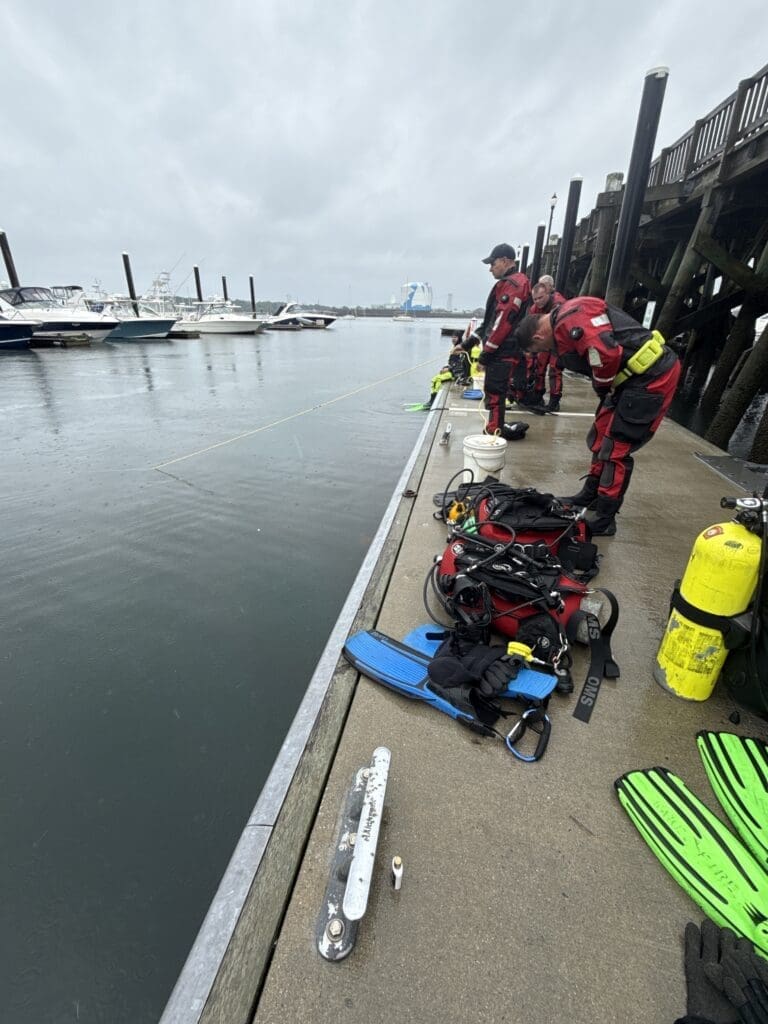
We visited five different sites by boat, filling many bottles with water and using a special instrument to collect a variety of data from the bottom of the harbor. After returning to the dock, Dave introduced me to the fine folks of the Beverly Dive Rescue Department. They have a very tricked-out truck that’s equipped with a dressing room, an onboard tank-filling system, and even air conditioning (very important for these summer days).
They conducted a training exercise designed to simulate a search operation. A firefighter on land holds a line while a diver in the water keeps the line taut as they swim from one side to the other. The firefighter acting as surface support uses a series of pull commands to communicate with the diver in the water, signaling when to turn around, when to return, and other directions. It was a really great opportunity to chat with the firefighters about how they interact with the community to achieve a common goal of safety, preparedness, and trust. After the Dive team wrapped up, I rejoined Dave aboard another BHMD vessel out on another patrol. I was glad this opportunity was lined up with Dave teaching an assistant harbor master; I was able to observe a lot of training, and it was a great way to understand the scope of the job. During our patrol, they had gotten a report that the boat was on a mooring they shouldn’t have been. We were able to track down the boat and ask the vessel’s operator to leave the mooring for a more suitable area.
A huge thank you to Dave Caldwell and Heather Knowles for facilitating a really great experience for this Internship. I feel so fortunate to be able to learn from them. I especially liked working with Dave in the Harbor Master Department because it was lots of hands-on experience, and I think most would agree that the best way to learn is by doing!