Sonar, Sea Rovers, and the USS Salem: A Day on the Quincy Waterfront
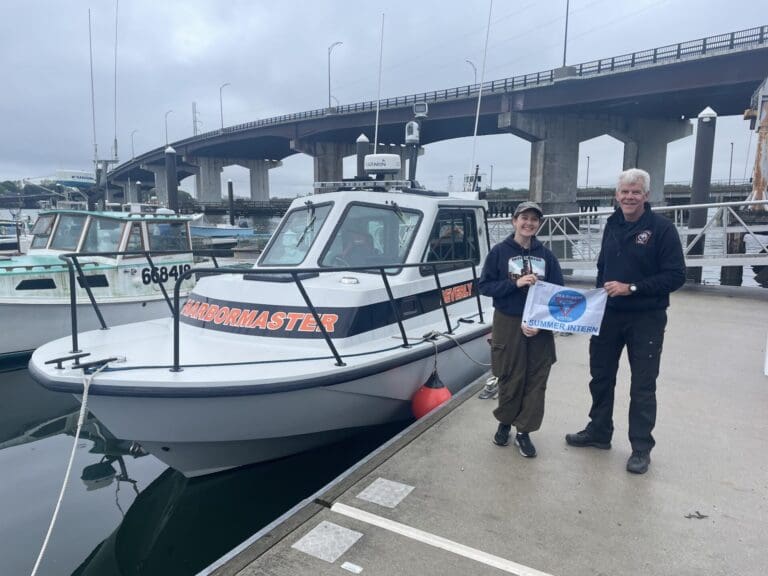
I began the day aboard the Guardian, the fast boat belonging to the Quincy Police Department’s marine unit. Their side-scan sonar system, a Klein 1500, had recently come back from servicing, and the two officers I was riding with wanted to put it through its paces before returning to regular duty.
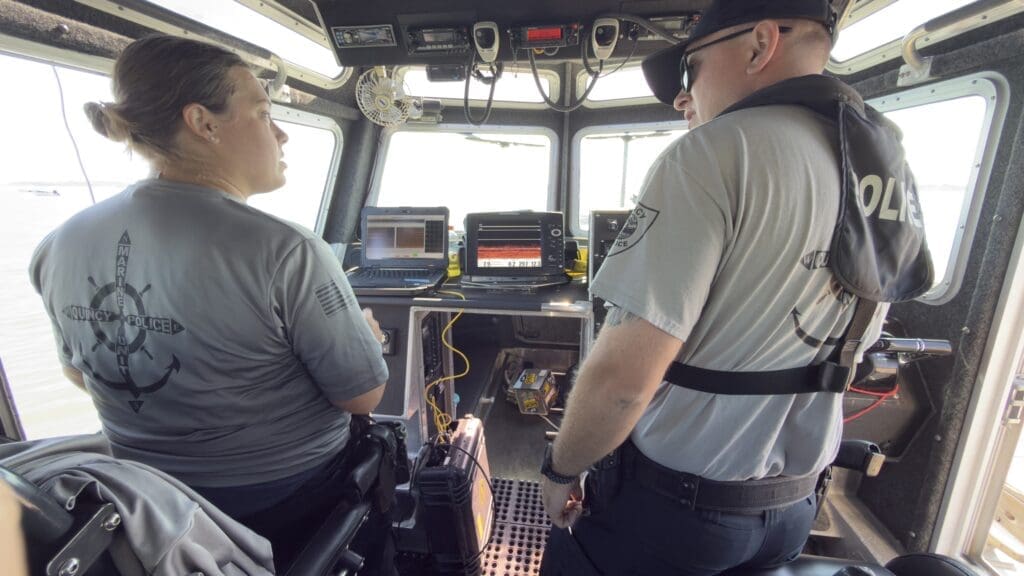
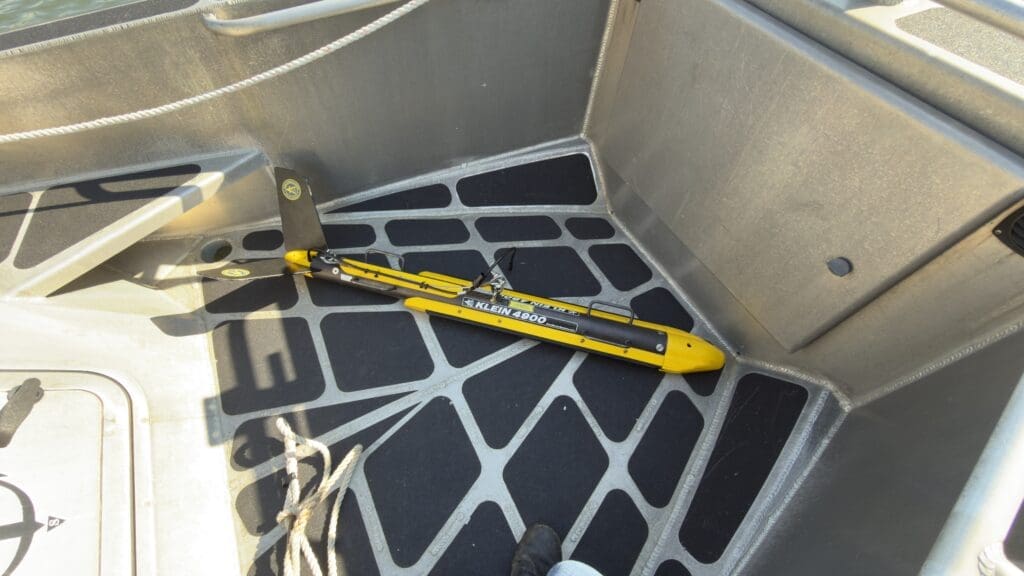
We set out from Quincy Harbor and started in shallow water, towing the sonar unit or as the officers affectionately called “the fish” in front of the boat. Most of what showed up on the screen was somewhat mundane: lobster traps, scattered rocks, the ordinary clutter of a working harbor floor. But the software behind the system was the more interesting part. It can estimate the height of an object on the seafloor purely from the acoustic shadow it casts. The principle is the same as a light shining on a tree: the tree blocks the light and throws a shadow behind it, and the length of that shadow tells you something about how tall the tree is. Side-scan sonar does the same thing with sound instead of light — wherever the beam is blocked, there’s a “shadow” of silence behind the object on the return signal, and the size of that gap lets the software calculate how much the object rises off the bottom. I do think it’s important to add that this technology was created by the Boston Sea Rovers’ very own Martin Klein. Who not only created the side scan sonar that many of us know and use today but also created the Klein Marine Systems. Once we brought the fish back in, the officers switched from equipment testing to giving me a tour of the mouth of Boston Harbor, pointing out landmarks along the South Shore and talking through what their job actually involves day to day. One detail that stuck with me was how response capability within the unit varies: despite being a marine unit, not everyone on it is dive-certified. Neither of the two officers I was with that day held a dive certification; when needed the Quincy police department can rely on other local dive teams to assist in any underwater operations.
After wrapping up with the marine unit, I met Margaret Laforest, mother of former Boston Sea Rovers Intern Krista Laforest (hiii Krista!), works in Quincy city government and has been closely involved with the city’s waterfront development. She first gave me a tour of the shipyard area near Quincy’s dry docks. As you probably know Quincy is an incredibly historical town, with the shipyard operating from 1883-1986 (103 years!). At the height of its operation during WWII the shipyard employed over 40,000 people, even my great grandfather worked as a welder there. That’s something I began to see a pattern of. It seemed like everyone I talked to had some sort of connection to the shipyard. Margaret Laforest is no exception. When she was in middle school her teacher assigned her a project to learn how the closing of the Quincy Shipyard affected her. This assignment began a project of restoration. Mrs. Laforest worked to have a decommissioned ship be turned into a museum ship and thus came the USS Salem.
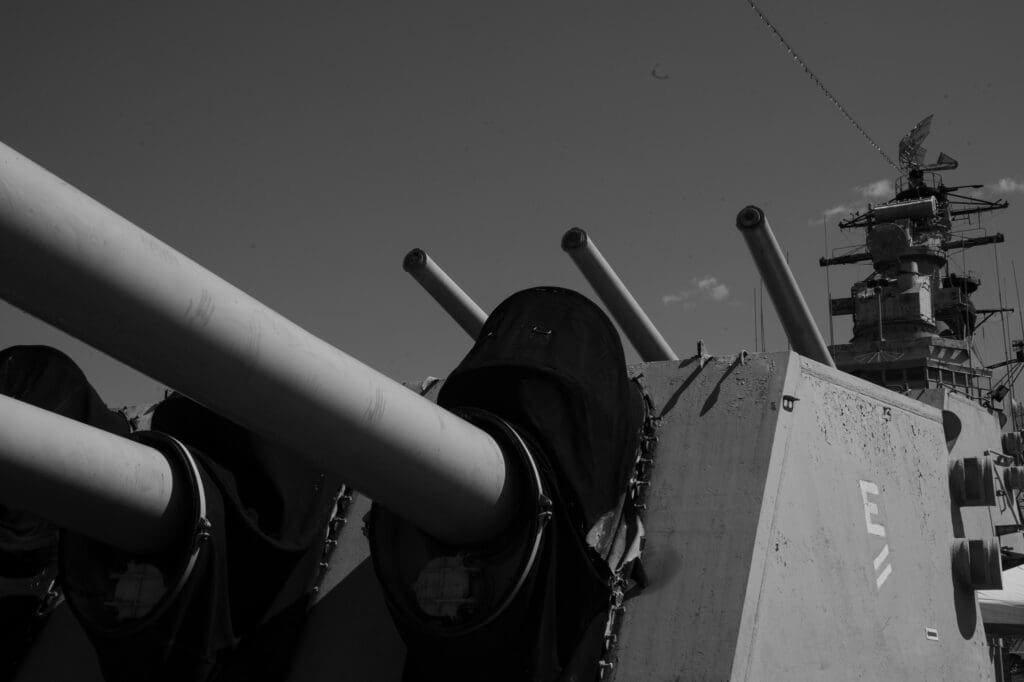
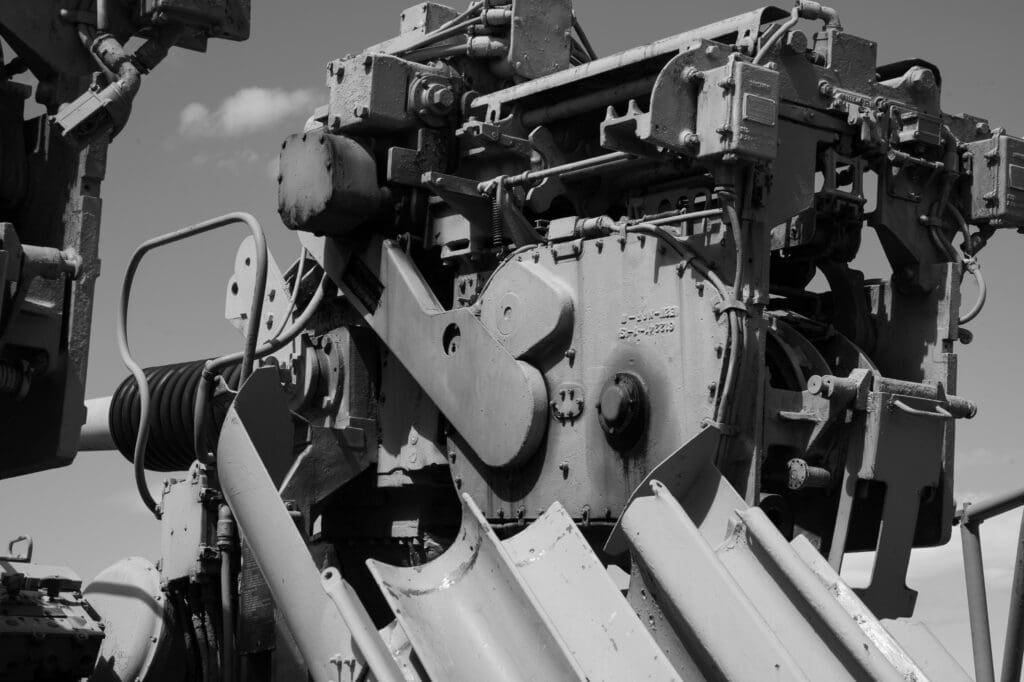
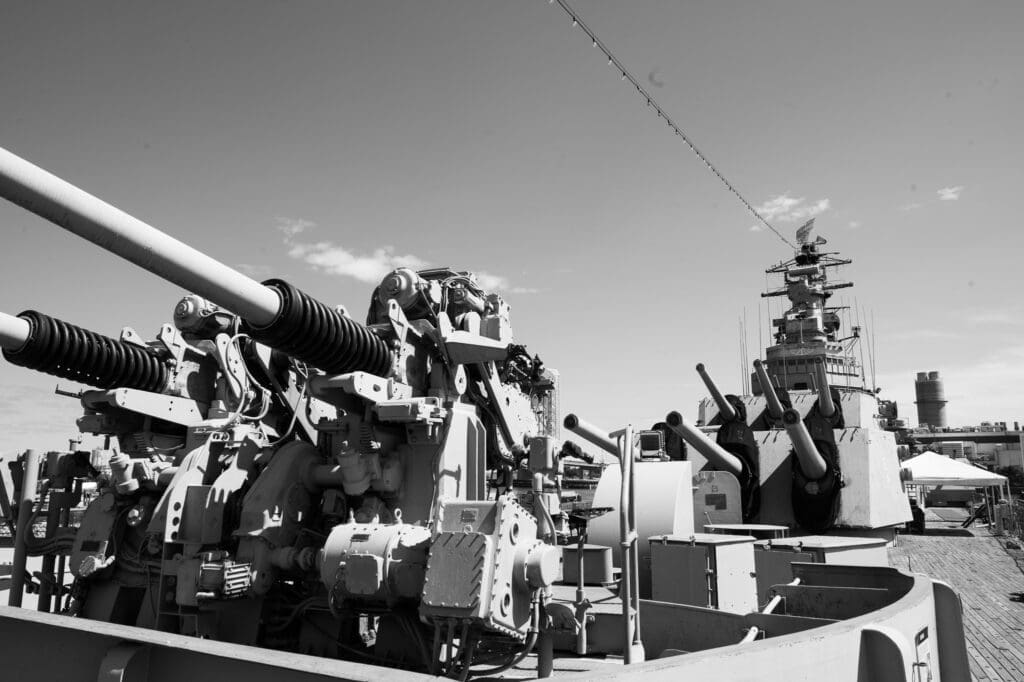
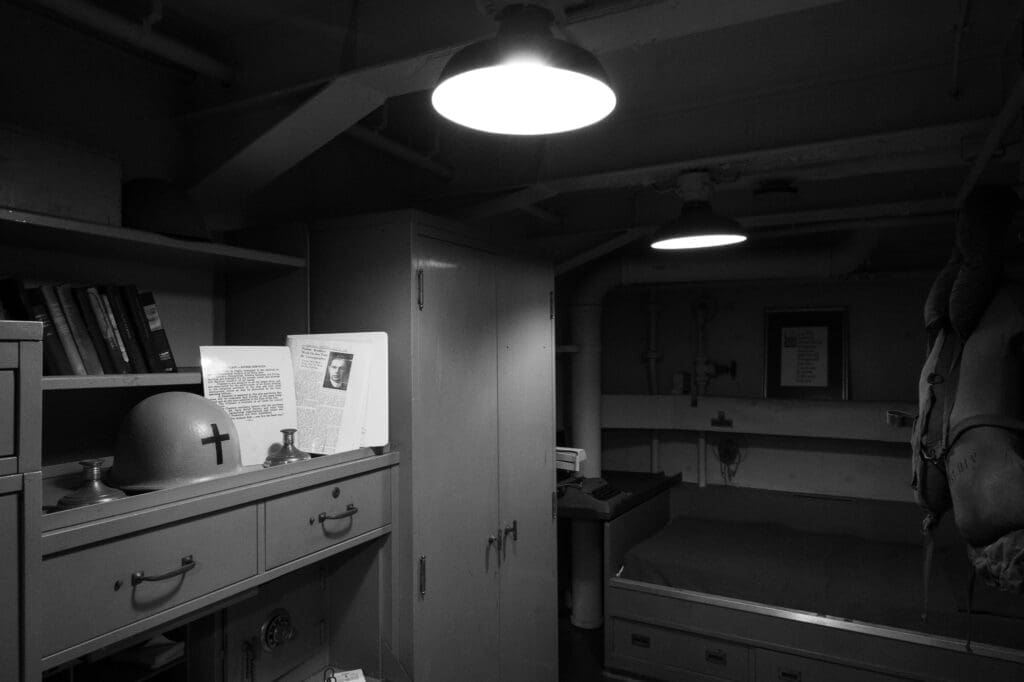
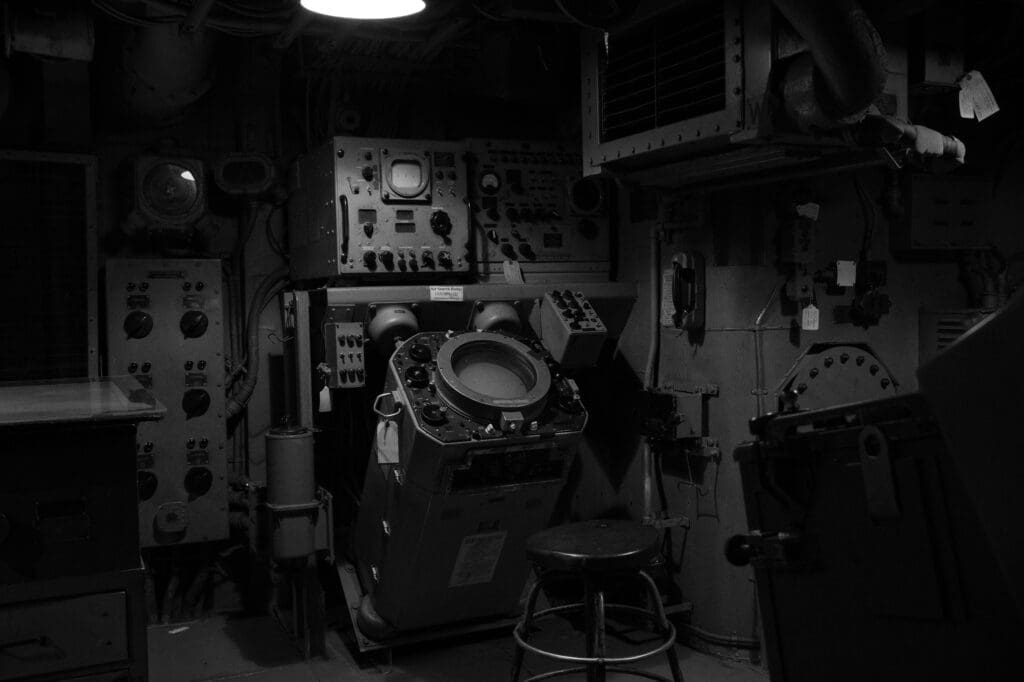
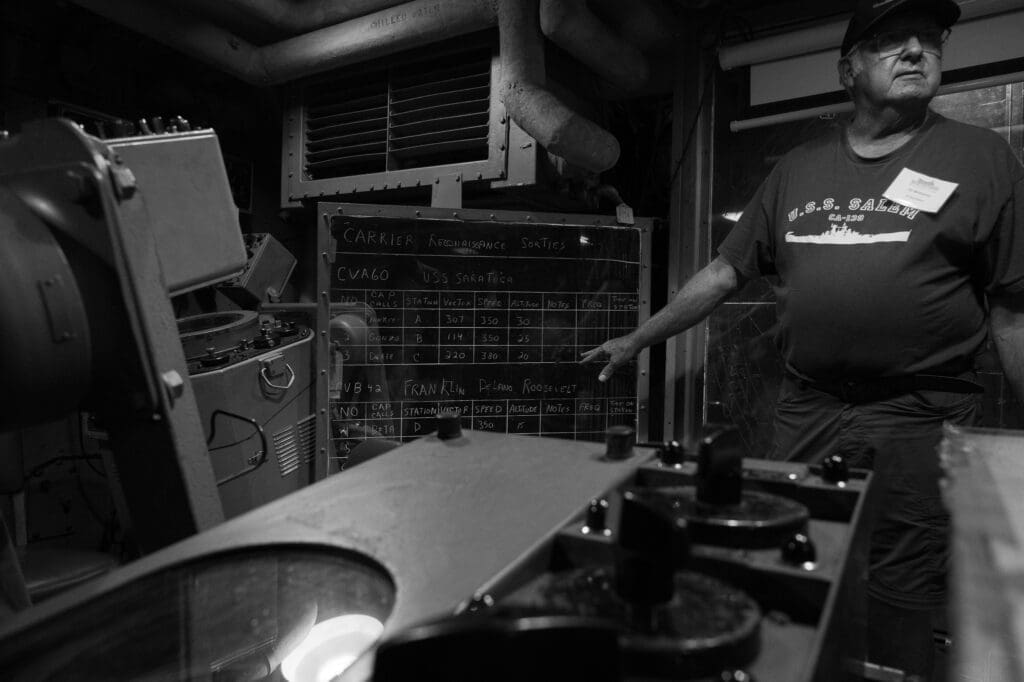
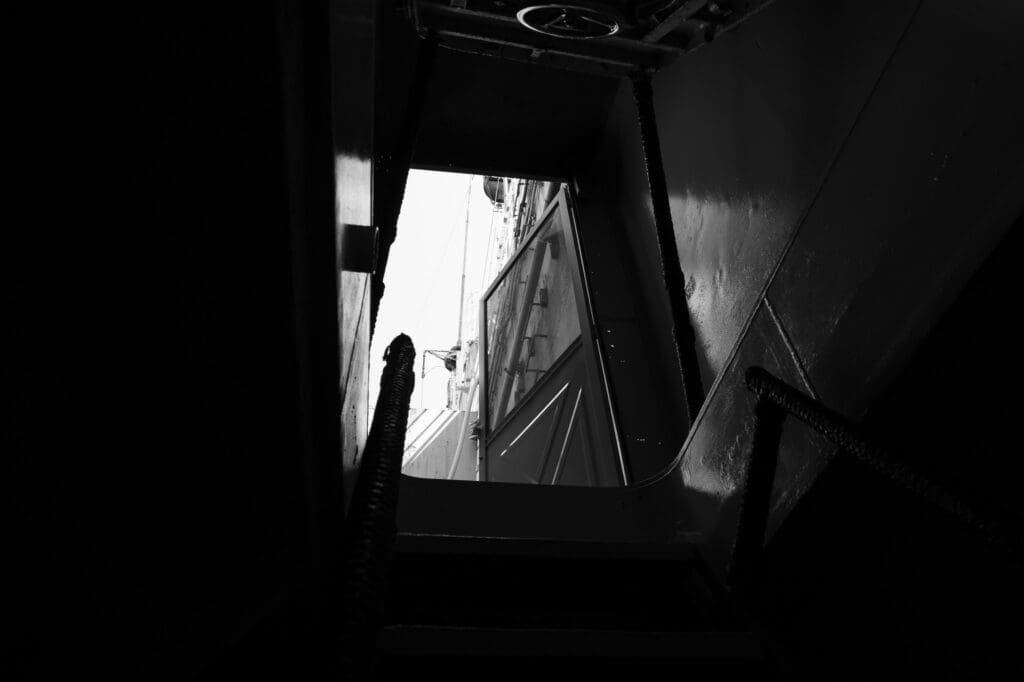
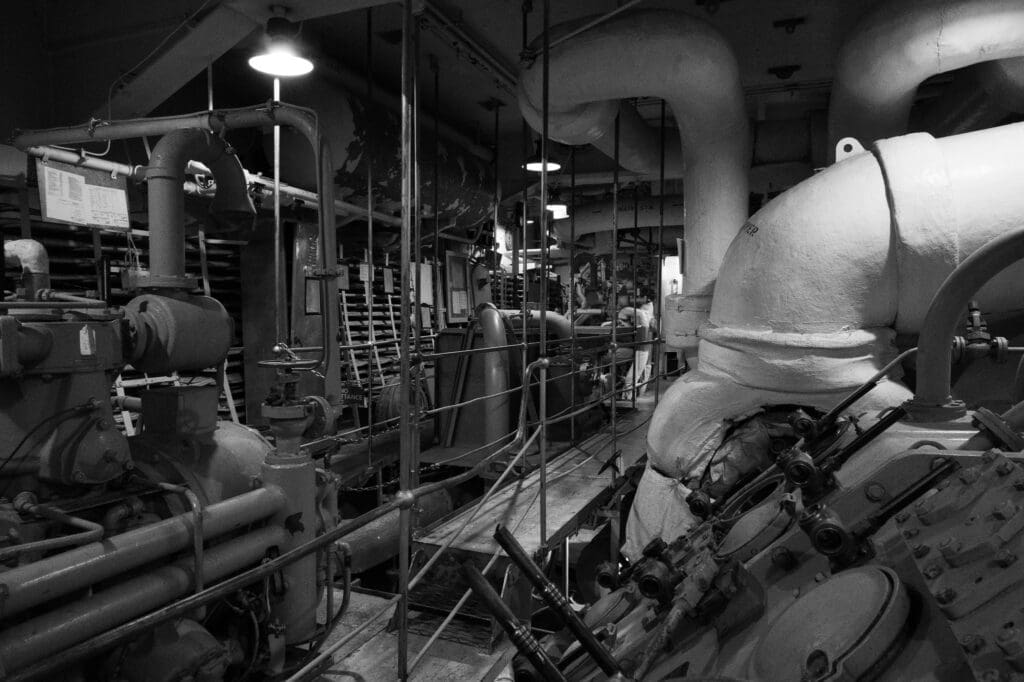
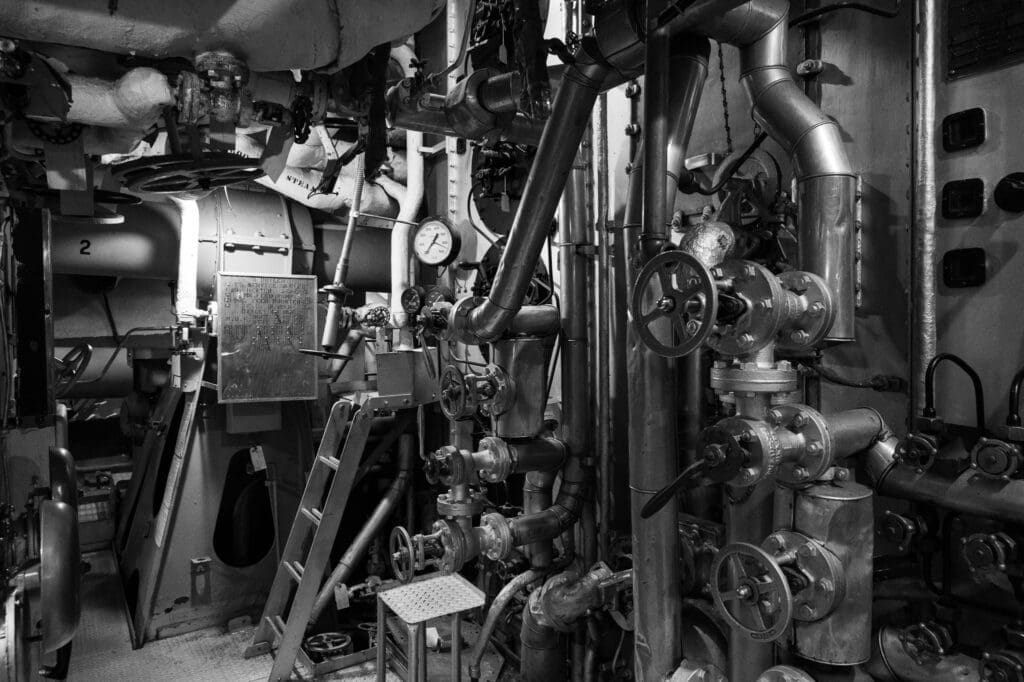
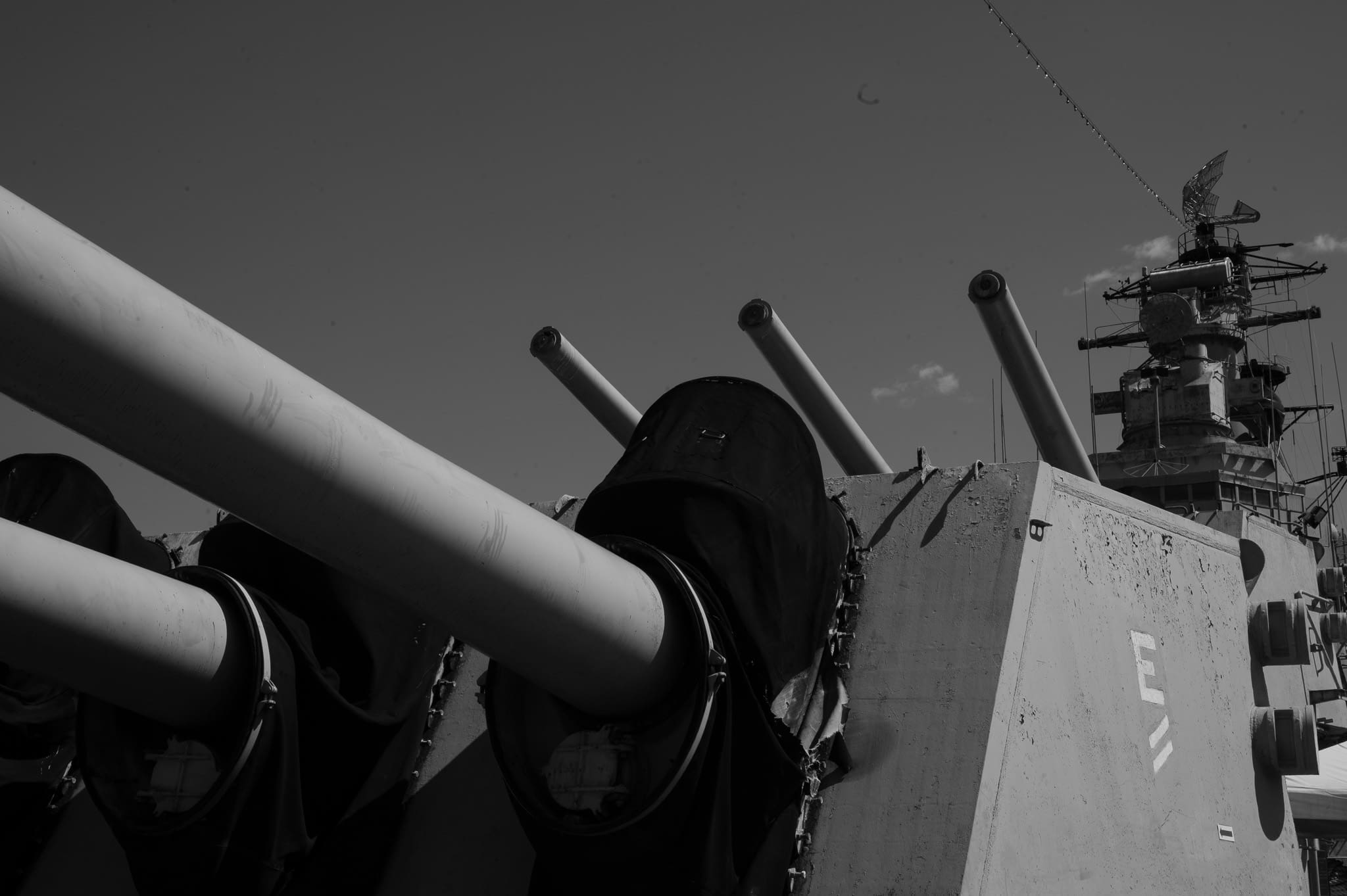
At the Salem, I was shown around by one of the ship’s volunteer guides, Kristian. I came in with what I thought were some fairly pointed questions, and Kristian had a ready, detailed answer for every one of them. It wasn’t a test I was trying to give him, but I came away genuinely impressed: for someone doing this entirely as a volunteer, his command of the ship’s history and systems was total. It’s clear the Salem’s volunteers have made understanding this ship their life’s work, and it shows. The highlight for me was seeing how the gun systems operate. I’m headed to the University of Rhode Island to study Ocean Engineering, and boats, ships, and ROVs are exactly the kind of systems I want to end up working on — so watching mechanical systems like these in action, rather than reading about them, was exactly the kind of thing I came for. There’s something especially valuable about a ship this old: because everything is mechanical rather than electronic, the logic is visible. You can watch an arm swing into place to feed a shell into the breech and trace the cause and effect yourself, even without a formal engineering background. Altogether, the tour of the USS Salem was really an incredible opportunity for me. It combined my love for history with my love for engineering. I was so impacted by this trip I revisited Salem, this time with a camera in hand, A collection of those images you can find below. I also plan on joining the volunteer team once my schedule with school becomes manageable. I felt fortunate to get the kind of access and explanation that most visitors don’t. If you’re anywhere near Quincy, it’s well worth going out to see the ship for yourself. There was more packed into that tour than I can fully do justice to here — enough that I expect I’ll come back to some of it in more detail once I’ve had time to sort through my notes and the photos I took of the sonar setup and the ship’s systems.