Exploring Newfoundland with National Geographic
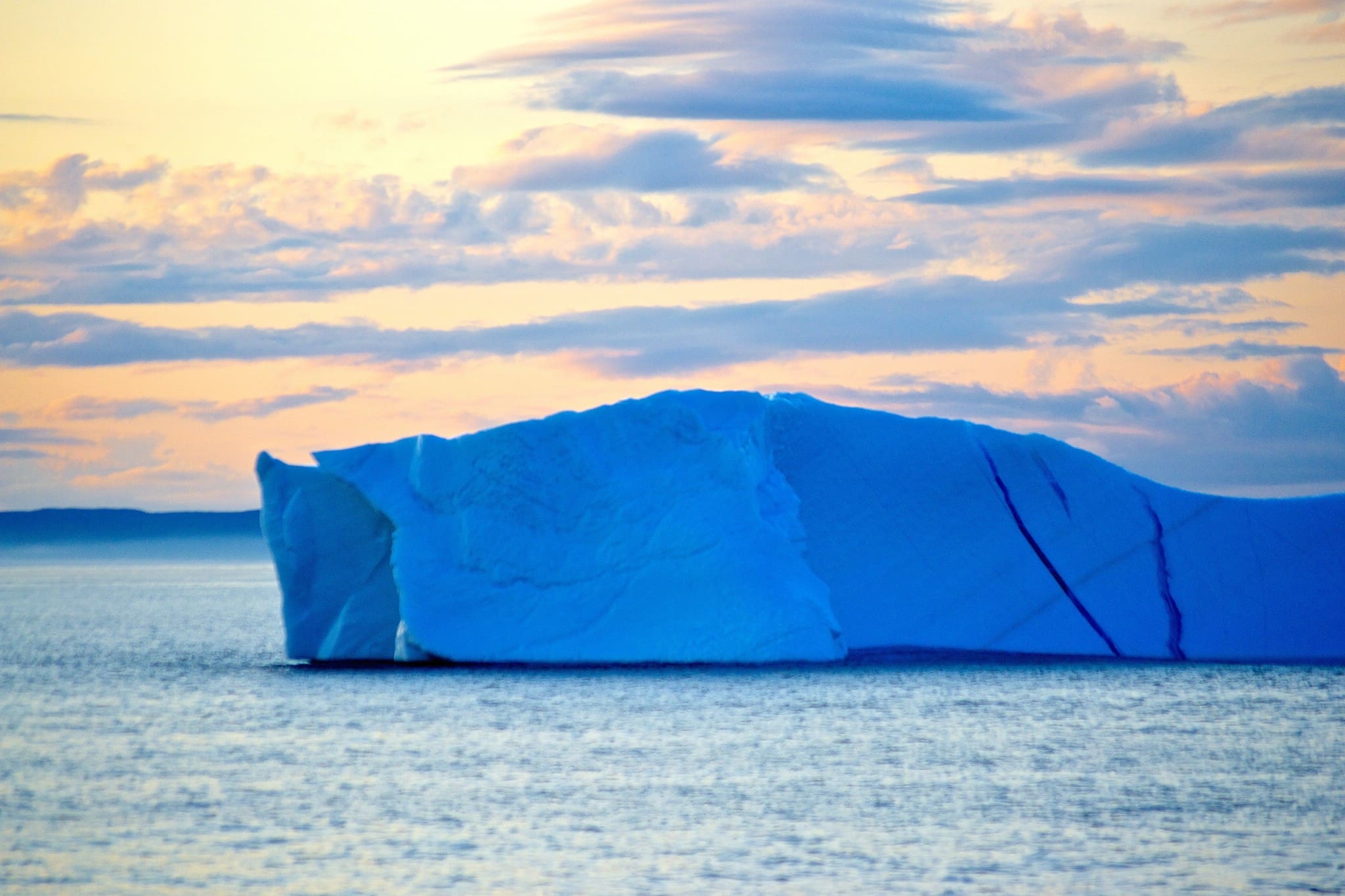
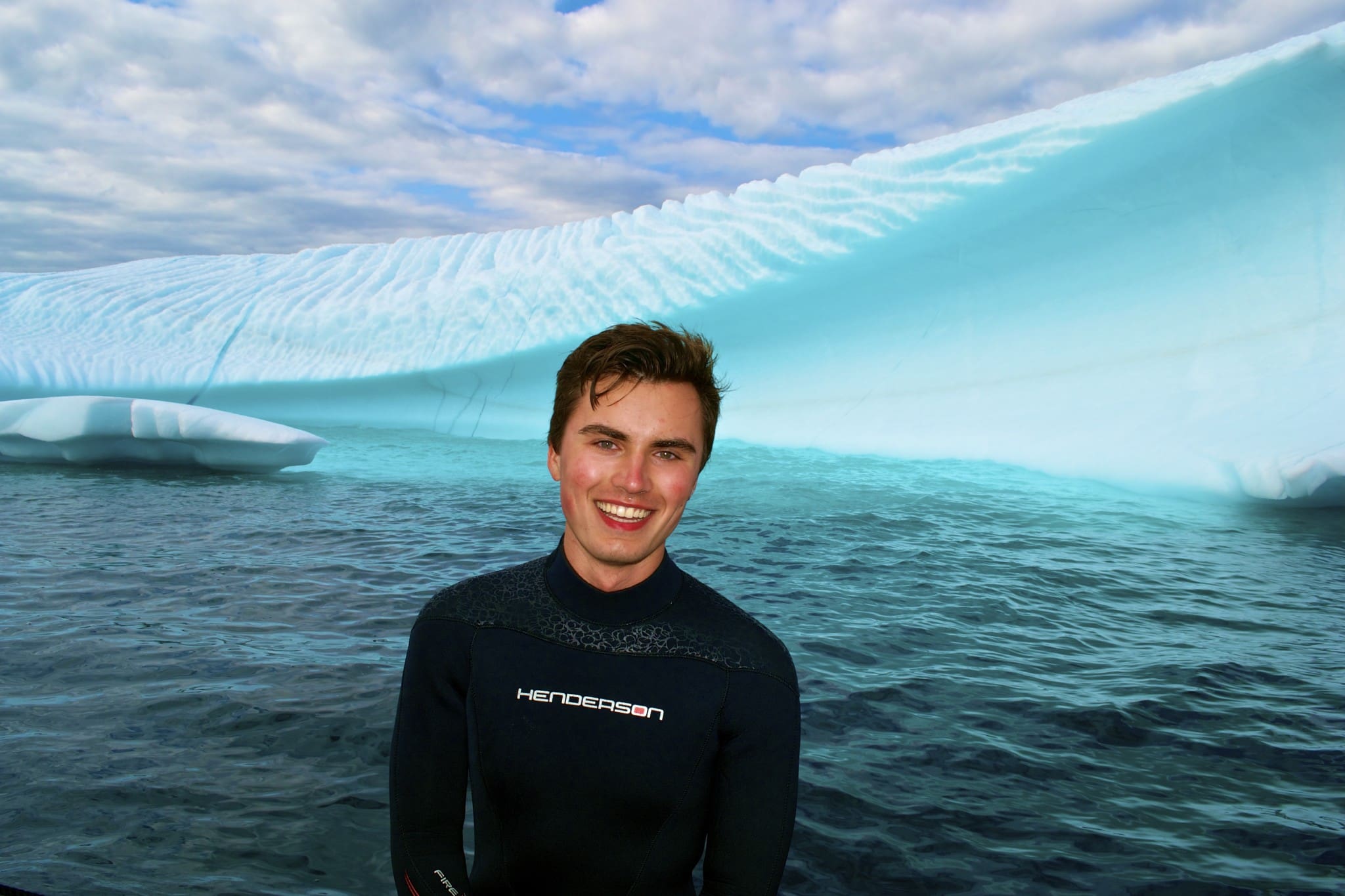
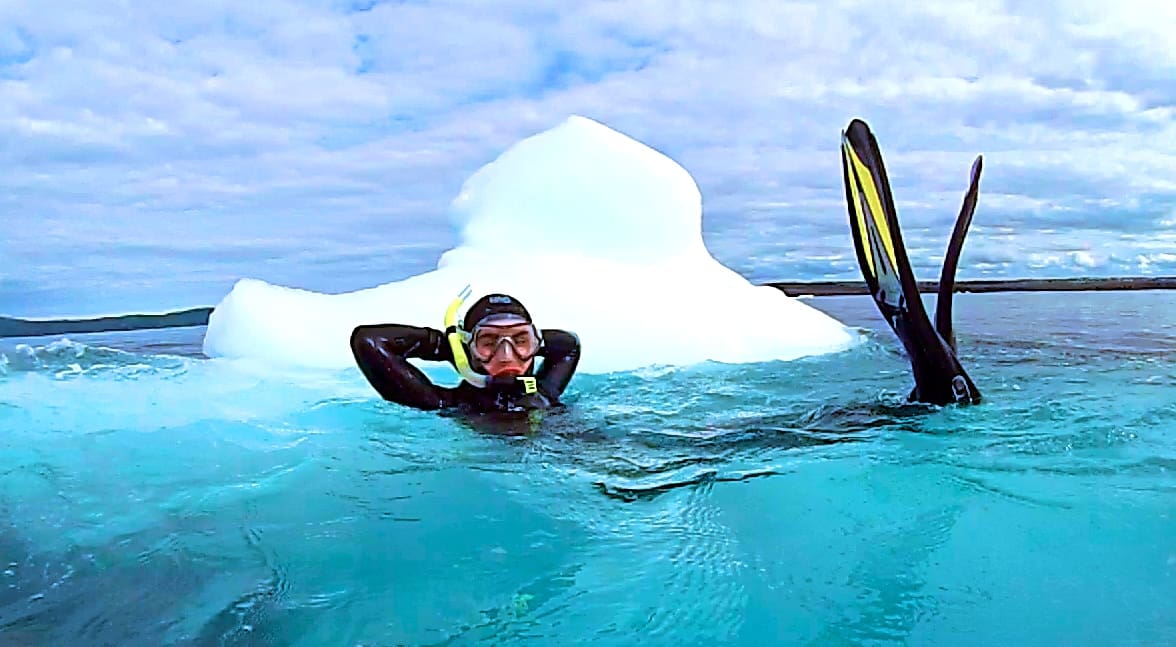
While in Newfoundland, I had the extraordinary opportunity to join a National Geographic expedition documenting the migration of icebergs into Canadian waters. These massive ice formations, calved from Greenland’s glaciers, are carried south by the powerful Labrador Current. Witnessing this phenomenon firsthand was both humbling and deeply sobering. Yet, what captivated me most wasn’t the towering icebergs but the persistent, almost musical sound of tiny air bubbles escaping the ice and rising to the surface.
These pockets of air, trapped within the ice for millennia, can serve as time capsules. Scientists analyze them to reconstruct past climates, charting the ebb and flow of carbon dioxide, methane, and other gases overtime. This research sheds light on how Earth’s atmosphere has evolved and, crucially, how today’s unprecedented levels of greenhouse gases compare to historical norms. Carbon dioxide, often referred to as the planet’s thermostat, plays a central role in regulating global temperatures. However, the relentless burning of fossil fuels has flooded the atmosphere with this potent greenhouse gas, disrupting our planet’s delicate life support systems. Polar regions, with their reflective ice and permafrost, are among the most vulnerable to these changes, and they’re warming at more than twice the global average.
Standing on the deck of the ship, gazing across the icy horizon, the magnitude of the crisis became unmistakably clear. The icebergs, majestic as they were, carried with them a warning: the Arctic is changing, and the ripple effects will be felt far beyond these waters. My thoughts soon turned to the upcoming climate summit in Paris, where world leaders will convene to negotiate an agreement that will determine the trajectory of future generations. Building the momentum needed for meaningful climate action will require public awareness, education, and a shared sense of hope. I am determined to play my small part, optimistic that we can solve this crisis if we are willing to work together. Documenting these changes in such a fragile and remote region feels like bearing witness to history in the making.