Working at NOAA with Mark Dixon

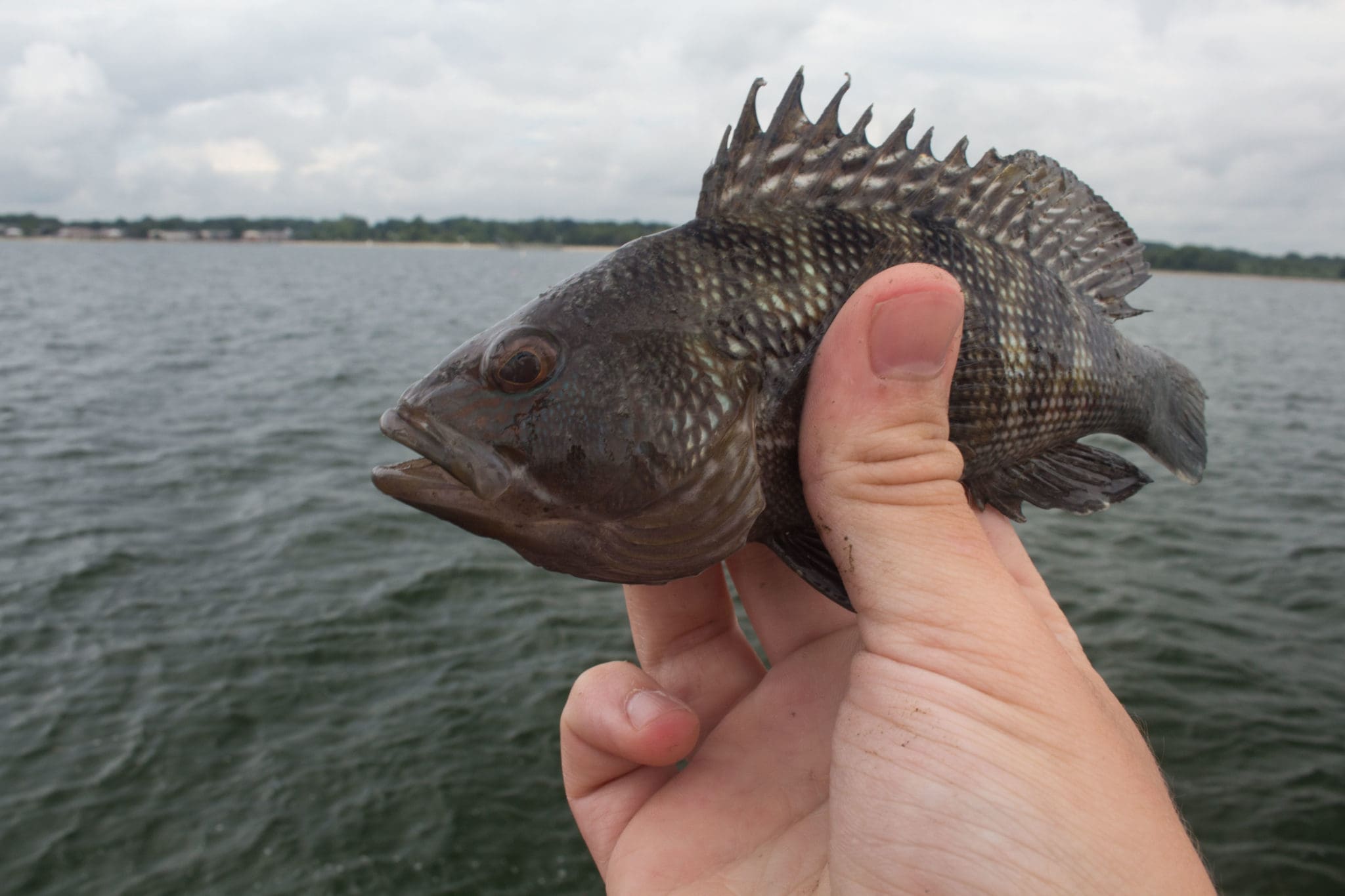
Black sea bass

My next stop was with NOAA and Sea Rover Mark Dixon. We went out collecting oyster cages for a study looking at the impact of oyster beds on fish life. The fish are monitored through GoPros attached around the cages. When the cages were pulled up I was able to see some of the fish and other life, like crabs, cunner, gunnels, and black sea bass. As the cages were placed on the deck fish and crabs fell off of it. The young cunner have a small black spot on their dorsal fin, while the gunnels are slender almost eel like fish. Water samples were also taken to look at the water contents. Studies like this are essential to find out the potential impacts of aquaculture and how the oyster industry should handle factors in the environment. Thanks to Mark for taking me out on the boat for the day.
Similar Posts

  • COMS

    Today was the Sea Rover’s Career Opportunities in Marine Sciences hosted by George Buckley. I carpooled with Vin and Kim Malkoski to the Boston Public Library where we set up and handed out programs. The speakers included George Buckley, Dr. Skomal, Jim Clark, Sarah Taylor, and the 2004 and 2008 Scalli Interns Kate Douglas and…

  • Cleaning

    We started to clean up Amy’s parents house where we have been staying because they are  coming home soon. Our goal is to have the house spotless, not an easy chore to say the least. Next we packed up Terence’s truck with all of our dive gear because he is going to bring it all…

  • Fairhaven Days 2 & 3

    On Wednesday we departed at about 8 o’clock for the National Archives Northeast Reagion, which is located in Waltham. This is about an hour’s drive from Farihaven, so on the ride over, Eric described our objective. The plan was to search for evidence supporting the tentative naming of an unidentified shipwreck. The steam lighter that…